From AROC to CORA: Army uses AI-enabled tool to slash scores of acquisition requirements
Out of 2,077 active requirements, Army senior leaders have identified 516 for inactivation, according to new figures provided to Breaking Defense.
Out of 2,077 active requirements, Army senior leaders have identified 516 for inactivation, according to new figures provided to Breaking Defense.

“So, the way I read the memo is great, we can go a lot faster now but the big question that remains is, ‘Are we moving faster in the right direction?’” a service official said.


A commitment to long-term operational value.

“We know how to start new programs very, very well, but we have to also learn how to pivot,” Army Under Secretary Gabe Camarillo told Breaking Defense.
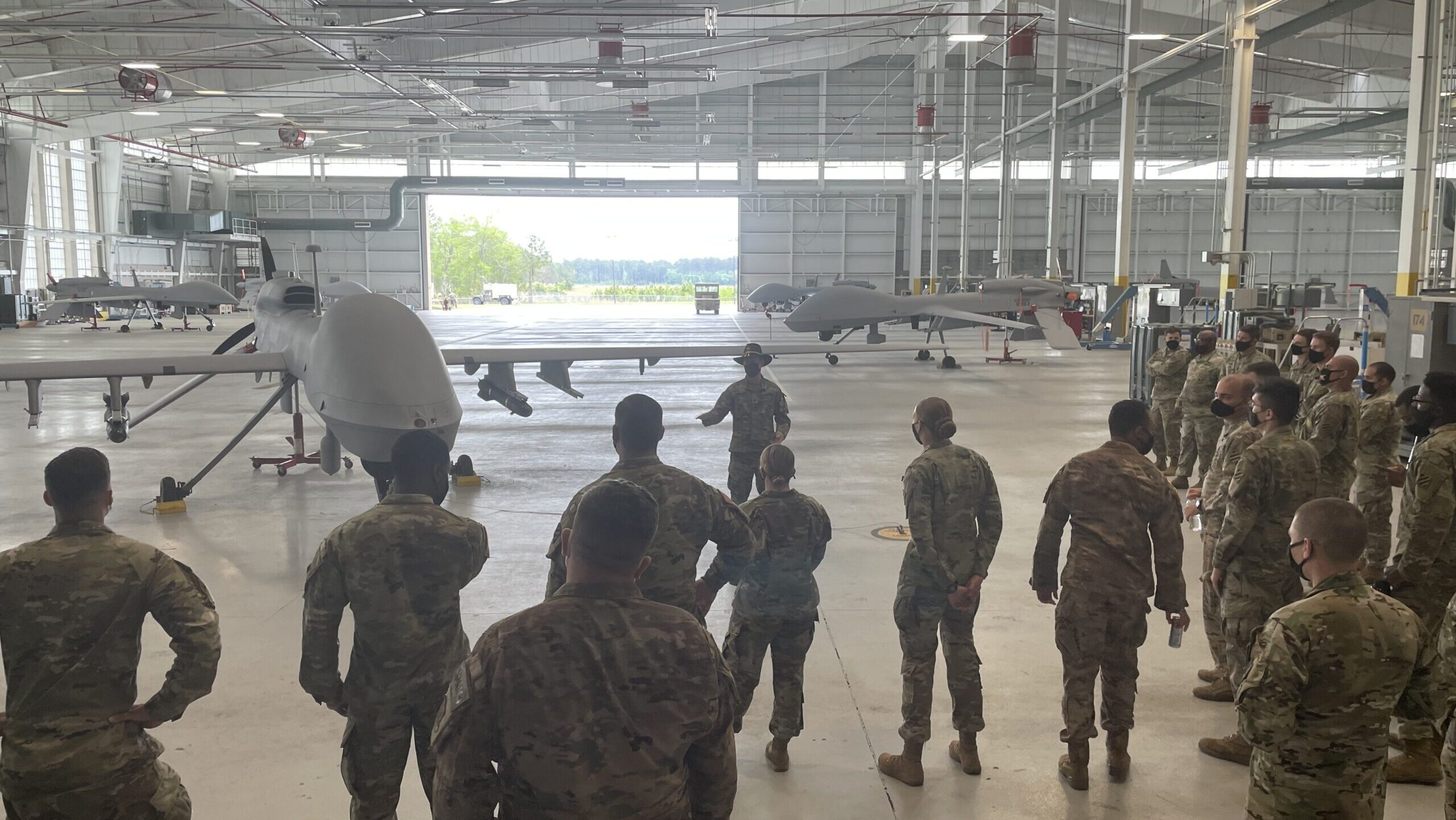
“In our mind, the corps level needs extended sensing and should probably have an extended range UAS. At the division level, they probably need to jump a lot,” said Col. Joshua Ruisanchez.

Pending the Deputy Secretary’s approval, the Joint All Domain Command & Control strategy could receive Secretary Austin’s okay within “weeks,” said Brig. Gen. Rob Parker.

“There are a lot of differences between the FCS experience and the path we're on,” the Army Futures Command chief told us. This time, he said, “I don't think there is hubris. I think there's actually humility.”


AI tools are critical components of modern warfare, but must be protected to ensure they are reliable.

“Shadow could never fly in this type of moisture, couldn’t even come close,” Brig. Gen. Walter Rugen said, but all four FTUAS candidates made it through the rain. The formal Army Requirements Oversight Council process begins in weeks.
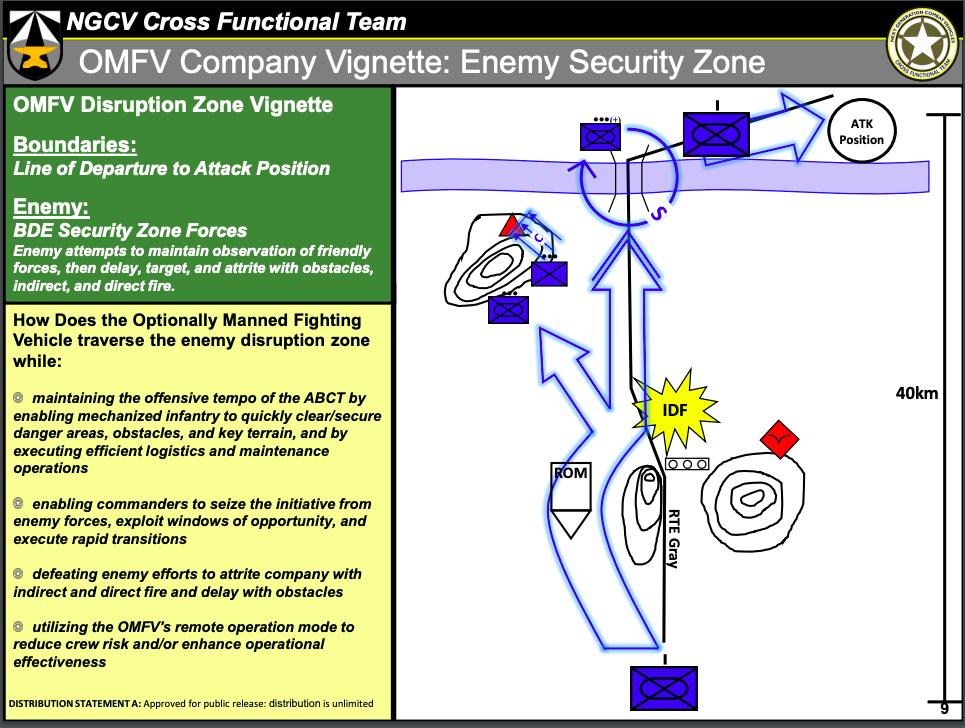
Want to make a mini-tank that carries two passengers in back? Or put the heavy weapons on one vehicle and the passengers in another? Go for it, the Army’s armor modernization director told industry.
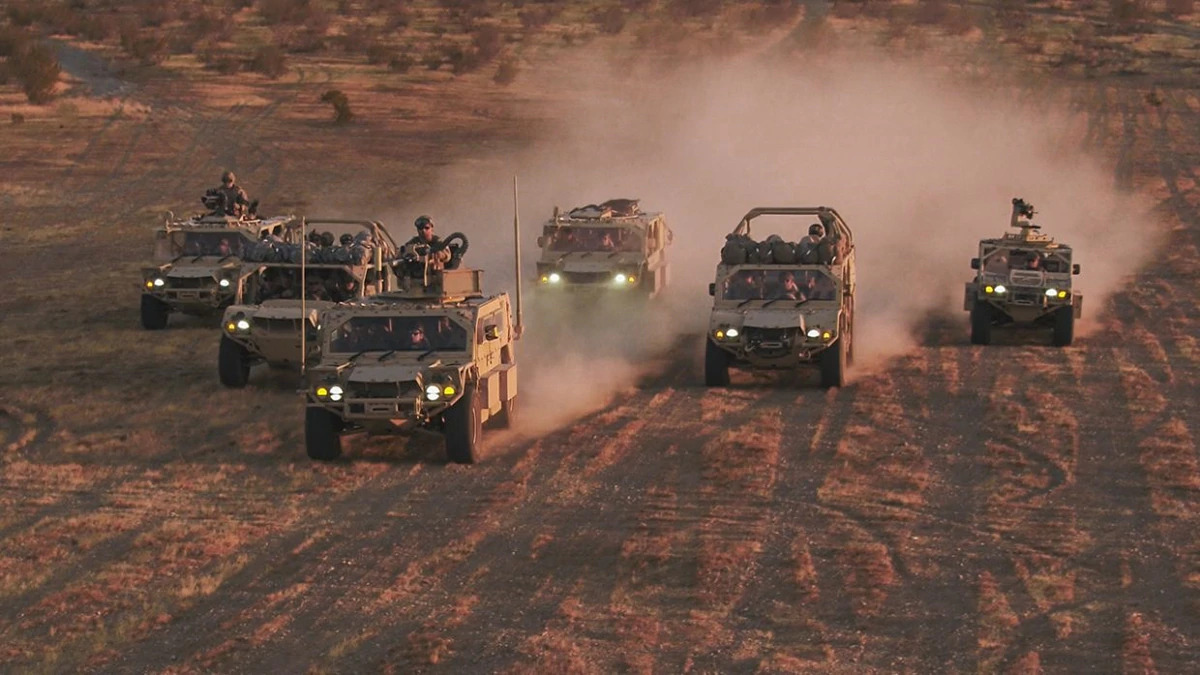
The Light Reconnaissance Vehicle, an off-road truck to scout ahead of airborne and light infantry units, could lead the Army’s move to electric motors. But electrifying heavy cargo trucks, let alone tanks, could take decades.
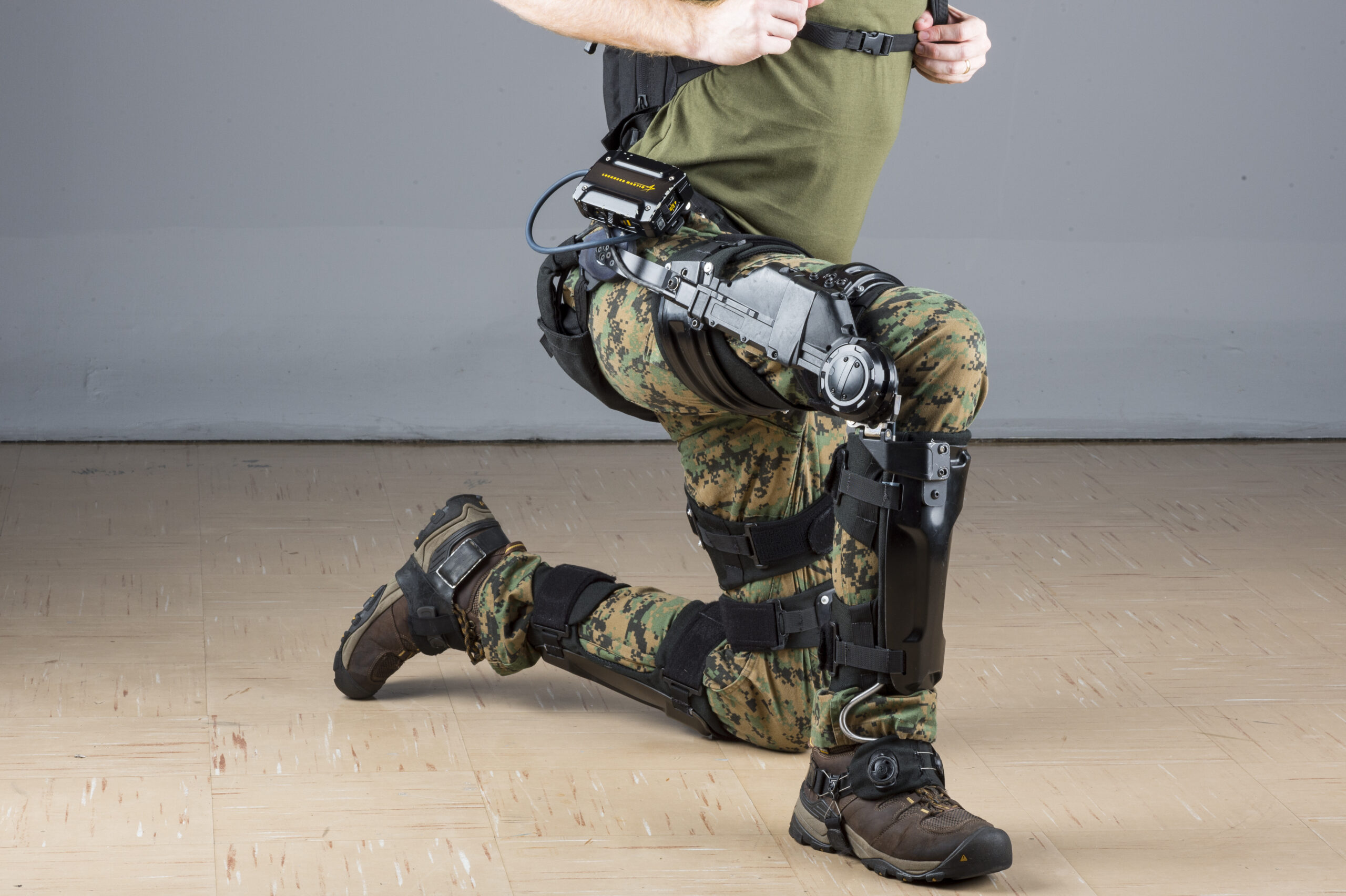
SOCOM couldn't build a bulletproof Iron Man. But Army experiments with more modest lower-body exoskeletons have shown real-world potential to help overburdened foot troops.
There is no single answer to the drone threat, pushing the Pentagon toward a broader mix of defenses.
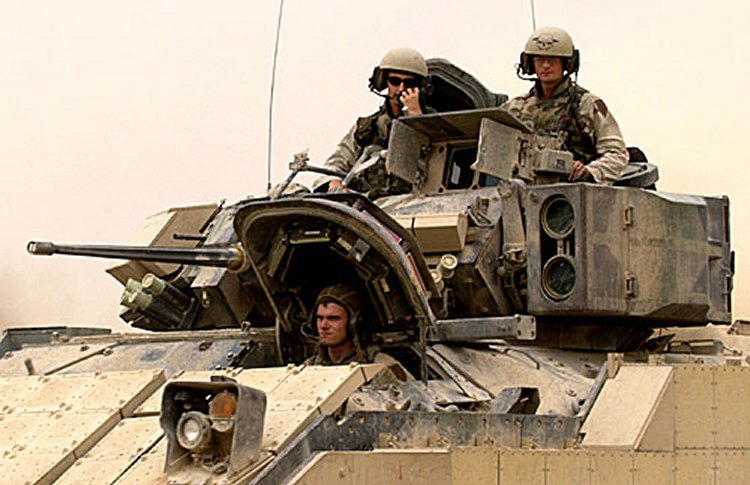
The draft RFP for the Bradley replacement, out today, also opens the possibility for a government design team to compete with private industry.

Despite disruptions worldwide, Future Vertical Lift flight tests, virtual industry days, and design reviews are all moving ahead on schedule or mere weeks behind.

The ongoing reboot of the Bradley replacement program reminds many in Congress and industry of the disastrous Future Combat Systems. The Army has changed a lot since FCS – but has it changed enough?

“The Army has learned its lesson" from past acquisition disasters, said Sen. Tammy Duckworth, who's "very pleased" with FVL. This program is truly different, agreed one of the fathers of the cancelled Comanche, retired Maj. Gen. Rudy Ostovich.